Archivo Eventos

BIOGIPUZKOAN LAN EGIN ETA ELKARREKIN BIZI

Lantoki berri batera iristean, jendea zerbait galduta senti daiteke. Edo denbora bat lanean daramanean, agian ez ditu gauzak gogoratzen edo ez ditu berriak ezagutzen. Horrela, eta HRS4R giza baliabideen kudeaketako bikaintasun-estrategiaren barruko ekintzei jarraituz, hilero ongietorria ematen jarraituko diegu Biogipuzkoako lantaldean sartzen diren pertsona berriei, eta gure Institutuan oinak jartzean

Leer más »

Exploring and exploiting the vasculature in brain tumors

Exploring and exploiting the vasculature in brain tumors Central nervous system neoplasms include primary tumors, such as gliomas, and secondary tumors that develop from primary cancers that metastasize to the brain. Brain metastasis (BrM) predominantly arises from lung cancer (40-50%), breast cancer (15-25%) or melanoma (5-20%) and the median survival

Leer más »

Visiting natural open spaces in urban areas during pregnancy and its association with daily physical activity: a study with GPS and accelerometery data / Microfluidic models of breast cancer lung metastasis

Visiting natural open spaces in urban areas during pregnancy and its association with daily physical activity: a study with GPS and accelerometery data We examined the association between visiting natural open spaces (NOS) within and around cities and physical activity (PA) during pregnancy. While the importance of NOS for human

Leer más »
20/06/19

Uda Ikastaroak EHU / Cursos de Verano UPV: “Salud e industria 4.0”

Data:  2019ko ekainak 20 eta 21 / 20 y 21 de junio de 2019.
Tokia: Donostiako Miramar Jauregia / Palacio Miramar de San Sebastián.
Zuzendariak: Julio Arrizabalaga dokt. eta Ana Aiastui dokt. (Biodonostia OII).

btn_pdf Programa hemen kontsultatu daiteke.

Informazio gehiago eta Izen-emateak Uda Ikastaroen web-gunean: https://www.uik.eus/es/salud-e-industria-40
Maiatzaren 31 baino lehen egindako izen-emateek tarifa murrizturako eskubidea dute.

Urtero bezala, UPV/EHUk Uda Ikastaroen programa ospetsua antolatu du. “Osasuna, pertsonekiko konpromisoa” zikloaren barruan aurkeztuko da “Osasuna eta industria 4.0” ikastaroa. Ikastaro hori zuzenduko dute Julio Arrizabalaga doktoreak (Biodonostia Osasun Ikerketa Institutuko zuzendari zientifikoak) eta Ana Aiastui Pujana doktoreak (Biodonostia Osasun Ikerketa Institutuko Zelula Hazkuntza eta Histologia Plataformaren arduradunak).

Osasunaren arloan, industria 4.0 hiru alderditan, batik bat, oinarritzen da: 3D inprimaketa, errealitate birtuala/areagotua eta Big Data. Horietako bakoitzak aplikazioa du arlo ezberdinetan, hala nola, ebakuntza kirurgikoetan edo ehunen ingeniaritzan, eta osasunaren arloko emaitzak hobetzeko aukera ezin hobea izan daitezke.

Zenbait arlotan —ekonomiatik zientziara— agertzen diren erronkak kontuan izanik, ikastaro hau oinarrituko da 3D inprimaketa ospitale-esparruan bistaratzean, errealitate birtualaren aplikazioak osasun-sistemara hurbiltzean eta Big Dataren aukerak aztertzean. Autonomia-erkidegoan, estatuan eta Europan alderdi horien inguruko ikerketak izan dituen azken emaitzak aurkeztuko dira. Era berean, osasunaren arloan erosketa publiko berritzailearen ideia aztertzea eta gure inguruneko agenteen arteko topaketarako aukera sortzea planteatuko da.

Txostengile gisa parte hartuko dute, aipatutakoez gain, Raquel Yotti doktoreak (Carlos III Osasun Institutuko zuzendariak); Inmaculada Vázquez andreak (Stratasys – Channel Manager France & Iberia), Daniel Rubio jaunak (6D lab), Ramón Maspons doktoreak (Chief InnovationOfficer AQuAS, Departament de Salut de Catalunya) eta Inmaculada Aguilera doktoreak (Scientific Proyect Officer, Innovative Medicines Iniciative-Brussels Belgium).

Era berean, hiru mahai-inguru egingo dira Osasunaren arloko 3D esperientziei, Errealitate birtualari/areagotuari eta Big Datari buruz.

+ Info

11/06/19

Mintegia: “microRNAs in non-alcoholic fatty liver disease: from pathogenic elements to potential biomarkers and therapeutic targets”

Hizlaria / Ponente: Rui E. Castro (Ph.D) – Research Institute for Medicines (iMed.ULisboa), Faculty of Pharmacy, Universidade de Lisboa).
Data / Fecha: 2019ko ekainak 11 / 11 de junio de 2019.
Ordua / Hora:  9:30-10:30.
Lekua / LugarBiodonostia OIIko Ekitaldi Aretoan, 0.Solairua. / IIS Biodonostia, Salón de Actos, Planta 0.

Laburpena / Resumen:
Rui Castro graduated in Biology and Genetics and completed his PhD in Pharmacy (Biochemistry) by the Faculty of Pharmacy, University of Lisbon (FFUL) and Department of Medicine, University of Minnesota Medical School, USA. He is now Assistant Professor and Principal Investigator at the Research Institute for Medicines (iMed.ULisboa), FFUL. He is a strong promoter of basic and translational to clinical research in Hepatology, being a member of both the EASL Education Committee and the UEG Education E-Learning Team.
Castro’s research combines his solid background in the modulation of liver cell function by bile acids with his most recent discoveries in the miRNA field, to answer fundamental questions on the pathogenesis and therapeutic targeting of liver diseases, focusing on non-alcoholic fatty liver disease. Well-established in vitro and in vivo models, as well as human patients liver biopsies and serum samples, are being used in multi-layered pharmacological approaches, aiming to ultimately bring miRNA therapies and biomarkers to the liver clinical setting.

+ Info

06/06/19

Mintegia: “Physically active microenvironments for tissue engineering applications”

Hizlaria / Ponente: : Senentxu Lanceros-Mendez. Ikerbasque Research Professor and Scientific Director at BCMaterials –Basque Center for Materials, Applications and Nanostructures, Derio, Spain.
Data / Fecha: 2019ko ekainak 6 / 6 de junio de 2019.
Ordua / Hora:  13:30-14:30.
Lekua / LugarBiodonostia OIIko Prestakuntza Aretoan 3.Solairua. / IIS Biodonostia, Sala de Formación, Planta 3.

Laburpena / Resumen:
Active materials are increasingly used in tissue engineering and regenerative medicine in order to provide specific clues to the cells. In particular, the use of electroactive polymers that deliver electrical signals to the cells upon mechanical solicitation, open new scientific and technological opportunities, allowing the development of suitable biomimetic microenvironments for tissue regeneration. In fact, electrical and electromechanical clues are among the most relevant ones in determining tissue functionality in tissues such as muscle and bone, among others, indicating their requirement for proper tissue regeneration.

This talk reports on active materials, such as piezoelectric and magnetoelectric, tailored for tissue engineering applications. The most used materials and morphologies are reported, together with novel bioreactor designs allowing to take full advantage of those materials.  The main achievements, challenges and future needs will be presented and discussed.

S. Lanceros-Mendez graduated in physics at the University of the Basque Country, Leioa, Spain. He obtained his Ph.D. degree at the Institute of Physics of the Julius-Maximilians-Universität Würzburg, Germany. He was Research Scholar at Montana State University, Bozeman, MT, USA and visiting scientist at the, Pennsylvania State University, USA and University of Potsdam. He is Ikerbasque Research Professor and Scientific Director at BCMaterials –Basque Center for Materials, Applications and Nanostructures, Derio, Spain and Associate Professor at the Physics Department of the University of Minho, Portugal (on leave). From 2012 to 2014 he was also Associate Researcher at the INL – International Iberian Nanotechnology Laboratory. His work is focused in the area of smart and multifunctional materials for sensors and actuators, energy and biomedical applications, with over 500 publications and 10 pate

+ Info

20/05/19

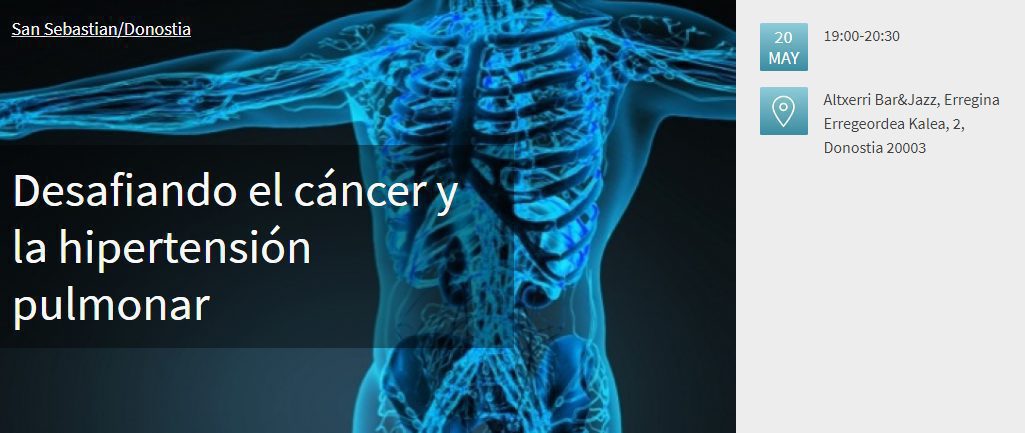
Pint of Science: Desafiando el cáncer y la hipertensión pulmonar

Pint of Science es una manera diferente de divulgar las últimas investigaciones científicas de nuestra ciudad, en un formato novedoso: en un bar.

El festival Pint of Science se celebra anualmente durante tres días (este año 20-21-22 de mayo), a partir de las 19:00 de forma simultanea en bares de todo el mundo.

En el caso de San Sebastián uno de los encuentros agrupa a representantes de Biodonostia y de la OSI Donostialdea.

Fecha: 20 de mayo de 2019.
Lekua / Lugar: Altxerri Bar&Jazz – Erregina Erregeordea Kalea, 2, Donostia, 20003.

Como ser más listos que el cáncer para poder combatirlo
Angela Araujo ( IIS Biodonostia)
Maria Muñoz Caffarel (IIS Biodonostia)

¿Qué es la hipertensión pulmonar?
Iñaki Royo (Neumología, Hospital Universitario Donostia)

Más Información en: https://pintofscience.es/event/desafiando-el-cncer-y-la-hipertensin-pulmonar

btn_pdf  Consulta el Programa completo de todas las charlas en San Sebastián aquí.


Anímate!!


+ Info

17/05/19

Mintegia / Seminario: “En busca del Caballo de Troya ideal para las terapias antitumorales”

Hizlaria / Ponente: Dra. Martin Duque – Instituto Aragonés de Ciencias de la Salud.
Data / Fecha: 2019ko maiatzak 17 / 17 de mayo de 2019.
Ordua / Hora:  13:30-14:30.
Lekua / LugarBiodonostia OIIko Prestakuntza Aretoan 3.Solairua. / IIS Biodonostia, Sala de Formación, Planta 3.

Laburpena / Resumen:

La Dra. Martin Duque realizó su doctorado bajo la dirección del Dr. Santiago Ramón y Cajal en el Hospital Puerta de Hierro, Madrid. Ha realizado estancias postdoctorales o sabáticos en el laboratorio de Cancer Research-UK, de Reino Unido; INSERM, Universidad de Nantes; Wake Forest University (Instituto de Medicina Regenerativa); Imperial College School of Medicine (Londres), o Cornell University (NYC, EEUU). En 2002, obtuvo uno de los prestigiosos contratos Ramón y Cajal y se incorporó a la Universidad Francisco de Vitoria (Madrid), donde continuó coordinando un máster de terapias avanzadas hasta el año 2017. Obtuvo un puesto como Investigadora ARAID en el IACS-Zaragoza, donde comenzó en 2008 y continúa en la actualidad.


+ Info

17/05/19

MINTEGIA / SEMINARIO: “Cancer-associated fibroblasts (CAFs) in breast cancer metastasis”

Hizlaria / Ponente: Professor Clare Isacke – Team Leader – Breast Cancer Now Research Centre, Institute of Cancer Research, London, UK.
Data / Fecha: 2019ko maiatzak 17 / 17 de mayo de 2019.
Ordua / Hora:  12:00-13:00.
Lekua / LugarBiodonostia OIIko Prestakuntza Aretoan 3.Solairua. / IIS Biodonostia, Sala de Formación, Planta 3.

Laburpena / Resumen:

The Molecular Cell Biology Team seeks to identify strategies to effectively target key tumour-environment crosstalk pathways to limit metastatic relapse and enhance the efficacy of tumour targeting agents. Cancer-associated fibroblasts (CAFs) and activated pericytes participate in tumour development not only by their impact on cancer cells via paracrine signalling and the deposition of a neoplastic extracellular matrix, but also by their influence on other stromal populations – particularly in promoting a immunosuppressive, pro-tumour microenvironment. Our current research in this area focuses on (a) assessing the efficacy of targeting CAF subpopulations to reduce breast cancer metastatic colonisation, (b) the mechanisms by which CAF-immune cell crosstalk influences tumour growth and response to therapy, and (c) the role of therapy-induced stromal damage in promoting metastatic relapse.

Informazio gehiago / Más Información:
https://www.icr.ac.uk/our-research/researchers-and-teams/professor-clare-isacke
https://www.icr.ac.uk/our-research/research-divisions/division-of-breast-cancer-research/molecular-cell-biology

+ Info

13/05/19

Mintegia / Seminario: “Genetics of cholestatic liver diseases: identification of new modifier genes that are involved in hepatic cholesterol homeostasis”

Hizlaria / Ponente: Marcin Krawczyk (Ph.D) – Department of Medicine II, Saarland University Hospital, Germany.
Data / Fecha: 2019ko maiatzak 13 / 13 de mayo de 2019.
Ordua / Hora:  10:30-11:30.
Lekua / LugarBiodonostia OIIko Ekitaldi Aretoan, 0.Solairua. / IIS Biodonostia, Salón de Actos, Planta 0.

Laburpena / Resumen:

Marcin Krawczyk holds a senior physician position in the Department of Gastroenterology and Hepatology at Saarland University Medical Centre in Homburg (Germany) and is the Head of the Laboratory of Metabolic Liver Diseases at the Medical University of Warsaw (Poland). In his studies, he aims to detect non-invasive markers of liver injury with special focus on the genetic determinants of chronic and acute liver diseases. In 2016, he received the award for the Best Young Researcher in biomedical sciences in Poland (by “Polityka”) and in year 2018 he was listed among Top Three under 40 Physician-Scientists in Poland.

+ Info

10/05/19

Mintegia / Seminario: “SERS Bioimaging and Biosensing”

Hizlaria / Ponente: Dra. Dorleta Jimenez de Aberasturi. CIC biomaGUNE-ko Ikerlaria / Investigadora en CIC biomaGUNE.
Data / Fecha: 2019ko maiatzak 10 / 10 de mayo de 2019.
Ordua / Hora:  13:30.
Lekua / LugarBiodonostia OIIko Ekitaldi Aretoan, 0.Solairua. / IIS Biodonostia, Salón de Actos, Planta 0.

Laburpena / Resumen:

Dorleta Jimenez de Aberasturi graduated from the University of the Basque Country (UPV/EHU) in 2006. In 2013, she received her Ph. D. in cotutelle between the UPV/EHU and Philipps University of Marburg under the joint supervision of Prof. T. Rojo, Dr. I. Ruiz de Larramendi and Prof. W. Parak. Since 2014 she works in the group of Prof. Luis Liz-Marzán at CIC biomaGUNE.
Her current research involves plasmonic nanoparticle synthesis,assembly and their functionalization for biosensing and imaging.

+ Info

04/04/19

JArdunaldia: Zahartzearen Ikerketa Estrategian egindako aurrerapenak

Data / Fecha: 2019ko apirilak 4 /4 de abril de 2019.
Ordua / Hora:  12:00 – 15:00.
Lekua / Lugar:Biodonostia OII – Ekitaldi Aretoa – 0.Solairua/
IIS Biodonostia – Salón de Actos – Planta 0.

Laburpena / Resumen:

Zahartzaro osasuntsuak lehen mailako erronka sozioekonomikoa dakar zahartutako populazioa etengabe handitzen ari den gizarte aurreratuetan. Horrek osasun-arreta eta osasun-estaldura sistema unibertsalaren iraunkortasunean eragiten du. Eustatek, “Gipuzkoako biztanleria-proiekzioa 1995-2020” dokumentuan, aurreikusten du oso desorekatuta dagoen populazio-zentsu globala, izan ere, askoz ere txikiagoa izango da piramidearen oinarrian eta hazkunde nabarmena izango du adinekotaldean (>65), populazio osoaren % 24ª izanik 2020an.

Errealitate horren jakitun, IIS Biodonostiak I+G+b-ko estrategia bat proposatu zuen 2013an, zahartzean zentratua, eta, IKAGURE-BD akronimoa izendatu genuen,  osasun-arloan lan egiten duten inguruko eragileek ere parte hartu zezaten asmoarekin.

Datorren apirilaren 4ean, sortzen joan diren ikerketa lerroak aurkeztuko dira, bai eta azken 5 urteetan egindako ikerketen emaitzak ere.

  Programa hemen ikusi (gaztelaniaz).

+ Info

01/04/19

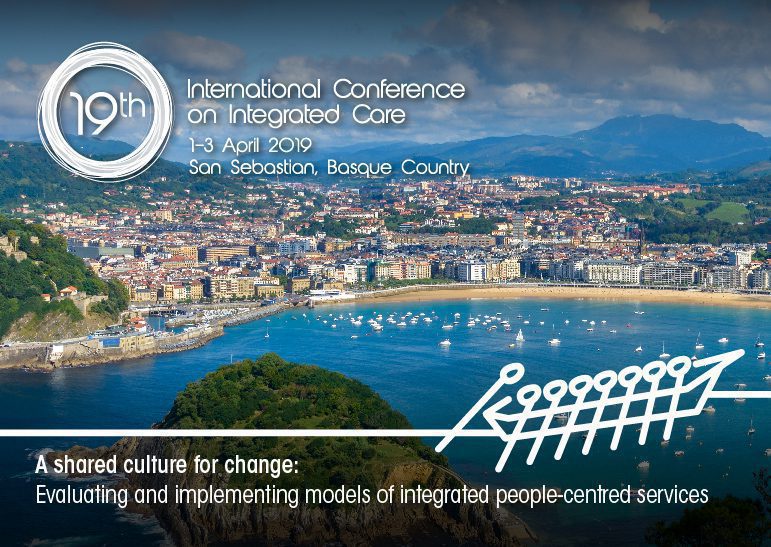
“ICIC19 San Sebastian-Basque Country” Arreta Integratuari buruzko Urteko 19. Konferentzia

Data / Fecha: 2019ko apirilaren 1etik 3ra/ 1 al 3 de abril de 2019.
Lekua / LugarPalacio de Congresos Kursaal (Donostia-San Sebastian).
Antolatzailea / Oganizador: Osakidetza, Departamento de Salud del Gobierno Vasco, Ayuntamiento de Donostia-San Sebastian, Diputación Foral de Gipuzkoa, BIOEF, IFIC


Datorren apirilaren 1a eta 3a bitartean Donostiako Kursaalean arreta integratuari buruzko “ICIC19 San Sebastian-Basque Country” urteko 19. konferentzia egingo da. Bertan nazioarteko milaka aditu elkartuko dira eta Europako hainbat herrialdetako eta munduko beste hainbat tokitako ordezkaritzak ere bai, Estatu Batuak, Kanada edo Singapur, esate baterako,

Eusko Jaurlaritzako Osasun Sailak, Gipuzkoako Foru Aldundiak eta Donostiako Udalak bultzatuko dute konferentzia International Foundation for Integrated Care (IFIC) erakundearekin batera, eta honako hau izango da haren izenburua: “Aldaketaren aldeko kultura partekatua: pertsonetan oinarritutako zerbitzu integratuen ereduak ebaluatzen eta ezartzen”.

Konferentzia batez ere ingelesez egingo da (itzulpen-zerbitzuarekin) eta osoko bilerak, lan-mintegiak eta bestelako saio batzuk egingo dira bertan. Donostiako ediziorako hizlarien artean, honako hauek izango direla baieztatu dute: Henry Mintzberg, irakaslea eta erakunde-teoriari buruzko hainbat libururen egilea (AEB); Michael Marmot, Osasunerako eta Gizarterako Nazioarteko Zentroaren zuzendaria (Erresuma Batua);  Stephen Shortell, Berkeley Unibertsitateko Osasun Publikoaren Eskolako irakaslea (AEB); Mª Ángeles Durán, Ikerketa Zientifikoetako Goi Kontseiluko Soziologia irakaslea; eta Julio Mayol, Madrilgo Unibertsitate Konplutentseko Kirurgia irakaslea eta San Carlos Osasun Ikerkuntza Institutuko Berrikuntza Unitatearen zuzendaria.

Informazio gehiago Kongresuaren webean / Más información en la web del Congreso

+ Info

14/02/19

Jardunaldia/Jornada: “Aplicación del reglamento (UE) 2017/745 sobre los productos sanitarios: Nuevos tiempos, nuevos retos”

Data / Fecha: 2019ko otsailaren 14a / 14 de febrero de 2019.
Ordua / Hora:  9:30 – 13:30.
Lekua / LugarIK4-Tekniker –(Iñaki Goenaga 5. 20600 Eibar).
Antolatzailea / Oganizador: Basque Health Cluster

Izen ematea dohain / Inscripción gratis

La entrada en vigor el 26 de mayo de 2020 de la nueva regulación europea sobre productos sanitarios implica cambios estratégicos inminentes en el proceso de fabricación y comercialización de los productos por parte de las empresas del sector.

Todas las empresas fabricantes de productos sanitarios deben prepararse ante esta actualización regulatoria. Sistemas de calidad, evaluación clínica, seguimiento post-comercialización son términos que adquieren una relevancia crítica con la entrada en vigor del reglamento (UE) 2017/745.

Este seminario tiene como objeto una primera toma de contacto con el Reglamento (UE) 2017/745. Se analizará el contenido del Reglamento y se establecerá una hoja de ruta, teniendo como base la nueva clasificación de productos y el esquema de la documentación técnica de la Directiva 93/42/CEE sobre productos sanitarios en vigor.

Informazio gehiago / Más información:  https://www.eventbrite.com/e/registro-aplicacion-del-reglamento-ue-2017745-sobre-los-productos-sanitarios-nuevos-tiempos-nuevos-retos-55125688418

+ Info

08/02/19

Mintegia: “ Targeting cancer-associated fibroblasts to deter tumour progression”

Hizlaria / Ponente: Dr Fernando Calvo. Team Leader – Ramón y Cajal Researcher. Tumour Microenvironment Team. Instituto de Biomedicina y Biotecnología de Cantabria.
Data / Fecha: 2019ko otsailak 8 / 8 de febrero de 2019.
Ordua / Hora:  13:30.
Lekua / LugarBiodonostia OIIko Prestakuntza Aretoan, 3.Solairua. / IIS Biodonostia, Aula de Formación, Planta 3.

Laburpena / Resumen:

The Tumour Microenvironment Team uses a wide range of techniques from conventional cell and molecular biology, through in vivo models and analysis of clinical material to study the multicellular context of solid tumours and understand the molecular mechanisms regulating cancer progression, dissemination and response to therapy. To achieve this, we investigate the environmental cues (chemical or physical) and signals from malignant cells that lead to the emergence of tumour-promoting phenotypes in otherwise healthy cells of the tumour microenvironment, with a particular focus in cancer-associated fibroblasts (CAF).The ultimate goal of these studies is to yield important insights into cancer biology leading to improved strategies for cancer therapy. Here, I will present our advances in the molecular and functional characterisation of CAFs, describing how CAFs contribute to tumour progression and the crucial molecular mechanisms that modulate their behaviour. In particular, we will delineate the importance of mechanotransduction and cytoskeletal rearrangements in CAF biology (Calvo Nat Cell Biol 2013; Calvo Cell Reports 2015) and describe recent findings on the unpredicted link between HSF1, Wnt signalling and YAP/TAZ relevant for the generation of tumour-promoting CAFs (Ferrari Nat Comm 2019)..

+ Info

01/02/19

Congreso de Salud Digital: conectando con la salud

Data / Fecha: 2019ko otsailaren 1a / 1 de febrero de 2019.
Ordua / Hora:  9:30 – 16:30.
Lekua / Lugar
Arabako Parke Teknologikoa / Parque Tecnológico de Álava (Hermanos Lumiere, 11- Miñano).
Antolatzaileak / Oganizadores: Basque Health Cluster, Biodonostia, Bioaraba, BIC Araba, Parque Tecnológico de Álava

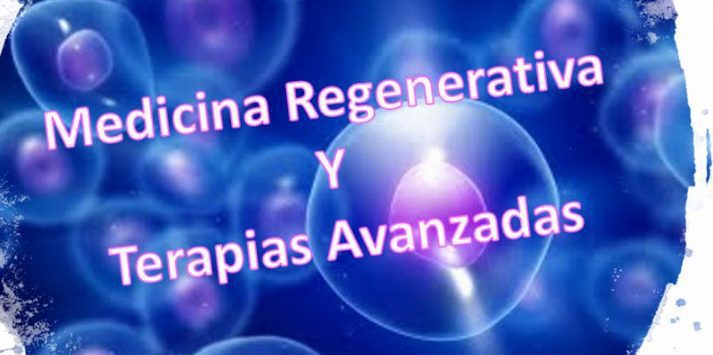
La Medicina Regenerativa y las Terapias Avanzadas son áreas multidisciplinares que incluyen la terapia celular, la ingeniería genética y la ingeniería de tejidos entre otras disciplinas. Enfocan sus desarrollos terapéuticos a la curación de enfermedades sin tratamiento en la actualidad, la regeneración de tejidos dañados, la creación de órganos para trasplante o la solución a patologías de origen genético.

En Euskadi contamos tanto con empresas que desarrollan productos de Medicina Regenerativa y Terapias Avanzadas, como con grupos de investigación expertos en este ámbito de la biomedicina.

El objetivo de la jornada es reunir a los actores, tanto de la empresa como de la investigación, para mostrar las capacidades de Euskadi en esta área. El evento será un punto de encuentro y de debate, para impulsar la colaboración público-privada en torno a la Medicina Regenerativa y las Terapias Avanzadas con el fin de incrementar la competitividad del sector.

Informazio gehiago / Más información: https://www.eventbrite.es/e/entradas-medicina-regenerativa-y-terapias-avanzadas-54586267997

+ Info

25/01/19

Tesiaren irakurketa: “Molecular genetic diagnosis of patients from the Basque country with Inherited Retinal Dystrophies”

Doktoregaia / Doctorando:
Maitane Ezquerra Intxausti. Neuro-endekapen Sentsorialaren Taldea, Biodonostia OII / Grupo de Neurodegeneración Sensorial, IIS Biodonostia.
Tesi Zuzendariak / Directores de Tesis: 
Javier Ruiz Ederra.
David Otaegui Bichot. 
Data / Fecha: 2019ko urtarrilak 25, ostirala / Viernes 25 de enero de 2019.
Ordua / Hora: 12:00
Lekua / Lugar:
Donostia Unibertsitate Ospitaleko Ekitaldi Aretoa / Salón de Actos, Hospital Universitario Donostia.

Laburpena / Resumen:
Las distrofias hereditarias de la retina (DHR), son un grupo heterogéneo de enfermedades de distintos fenotipos clínicos que afectan principalmente a la retina. Existen más de 250 genes ligados a más de 20 fenotipos distintos. El avance en las técnicas de secuenciado ha permitido diagnosticar molecularmente a cada vez más pacientes, de una manera más rápida y precisa, a pesar de lo cual, el porcentaje de casos sin resolver sigue siendo alto.

A lo largo de la presente tesis, nos planteamos realizar la caracterización genético-molecular de la población de pacientes con DHR de Euskadi mediante distintas técnicas y poder implementar así un flujo de trabajo para poder llevarlo a cabo. Para ello, en este trabajo hemos utilizado distintas estrategias. Por un lado, se ha utilizado la tecnología de NGS. Utilizamos dos paneles: 1) genes con herencia autosómica dominante, en el que se analizaron pacientes con sospecha de herencia dominante de forma individualizada y 2) 316 genes de diversas patologías oftalmológicas, incluidas las DHR descritas hasta el momento, en el que se analizaron muestras agrupadas en pool de pacientes con todos los tipos de herencia. También hemos secuenciado el exoma completo (WES), para detectar alteraciones en genes no asociados previamente a DHR, y arrays CGH y MLPA para detectar cambios en el número de copias, tanto de genes asociados como no asociados previamente a DHR. Con el uso de todas estas técnicas, durante esta tesis, hemos podido diagnosticar molecularmente a 61 pacientes de un total de 143 pacientes analizados.

+ Info

18/01/19

Tesiaren irakurketa: “Delivery of microRNAs as a remyelination strategy in Multiple Sclerosis”

Doktoregaia / Doctorando:
Iñaki Osorio Querejeta. Esklerosi Anizkoitzaren Taldea, Biodonostia OII / Grupo de Esclerosis Múltiple, IIS Biodonostia.
Tesi Zuzendariak / Directores de Tesis: 
David Otaegui Bichot.
Maider Muñoz Culla. 
Data / Fecha: 2019ko urtarrilak 18, ostirala / Viernes 18 de enero de 2019.
Ordua / Hora: 11:30
Lekua / Lugar:
Erizaintza Eskolako Gradu Aretoa / Salón de Grados de la Escuela de Enfermería. Donostia.

Laburpena / Resumen:
Multiple sclerosis is a central nervous system disease for which no remyelination therapy is nowadays available and alternative strategies are being proposed as myelin regeneration inductors. In this sense, the use of microRNAs, and more concretely miR-219a-5p has been shown promising results. However, the delivery of microRNAs to the central nervous system is still a tricky question.

In this work the role that miR-219a-5p plays in remyelination has been reinforce by using oligodendrocyte precursor cell primary culture, cerebellar organotypic model and experimental autoimmune encephalomyelitis mice model. In addition, the ability of Liposomes Nanoparticles and Exosomes as pro-remyelinating microRNA delivery systems has been addressed in the same models concluding that Exosomes is the most effective delivery system.

+ Info

20/12/18

Tesiaren irakurketa: “Investigating the role of miRNA binding in B-cell lymphoma”

Doktoregaia / Doctorando:
Erika Larrea de Orte. Oncologia Molecularra, Biodonostia OII / Oncología Molecular, IIS Biodonostia.
Tesi Zuzendaria / Director de Tesis: Dr. Charles Lawrie.
Data / Fecha: 2018ko abenduak 20 / 20 de diciembre de 2018.
Ordua / Hora: 12:00h.
Lekua / Lugar:
Donostia Unibertsitate Ospitaleko Ekitaldi Aretoa / Salón de Actos, Hospital Universitario Donostia.

Laburpena / Resumen:

La expresión disfuncional de microRNAs es un fenómeno comúnmente observado en diferentes tipos de cáncer incluidos los linfomas B. Sin embargo, la relevancia funcional de esta desregulación a menudo se desconoce. Los linfomas B son un grupo heterogéneo de enfermedades neoplásicas caracterizado por la proliferación tumoral de linfocitos B, cuya incidencia va en aumento.

En la presente tesis doctoral se ha estudiado la relevancia de los sitios de unión de microRNAs en la patogénesis de dos de los linfomas B con mayor incidencia: el linfoma folicular (LF) y el linfoma difuso de célula grande B (LDCGB). Por un lado, se ha analizado la presencia y la relevancia funcional de mutaciones en sitios de unión de microRNAs en pacientes con LF. Por otro lado, se ha identificado el targetoma del microRNA-155 (conocido oncomiR en linfoma B) en LDCGB mediante la técnica experimental PAR-CLIP. Los resultados de esta tesis demuestran la relevancia de los microRNAs en linfoma B y la importancia de la identificación de sus genes diana para comprender el significado biológico de la expresión disfuncional de microRNAs a menudo identificada en cáncer.

+ Info

20/12/18

Mintegia: “Cancer engineering: designing of biomaterials as biomimetic niches for advancing pediatric cancer research”

Hizlaria / Ponente: Aranzazu Villasante. Institute for Bioengineering of Catalonia (IBEC).
Data / Fecha: 2018ko abenduak 20 / 20 de diciembre de 2018.
Ordua / Hora:  10:30.
Lekua / LugarBiodonostia OIIko Prestakuntza Aretoan, 3.Solairua. / IIS Biodonostia, Aula de Formación, Planta 3.

Laburpena / Resumen:
My overarching goal is to design biomaterials to closely mimic in vitro the biological and mechanical tumor microenvironment of pediatric cancers. Then with these models in hand, my objective is to learn fundamental information about drug resistance and tumor relapse. Thus, my main expertise brings together materials science, tissue engineering, and cancer biology.
I obtained my B.S. Degree in Biochemistry at the Complutense University of Madrid in 2005 and right after, I joined the Tumor Suppression group, led by Dr. Manuel Serrano, at the Spanish National Cancer Research Centre (CNIO). During my Ph.D., I investigated the epigenetic regulation of the Ink4a/Arf locus and the regulation of Sox2 in induced pluripotent stem cells (iPS).

Then in 2011, I joined the Vunjak-Novakovic lab in the Department of Biomedical Engineering at Columbia University in the city of New York. As a postdoc, I used novel biomaterials to develop biomimetic bioengineered models of Ewing’s sarcoma within the bone microenvironment. I also generated the first bioengineered model of tumor-derived exosomes. In parallel with my training in bioengineering at Columbia University, I was trained in pediatric diseases and collaborated with pediatricians at the Memorial Sloan Kettering Cancer Center.

Later, in 2015 I was appointed Associate Research Scientist at Columbia University, and I was awarded by the Japan Society for the Promotion of Science. This award gave me the opportunity to move to Tokyo for developing a vascularized tissue-engineered model of neuroblastoma at the Institute of Advanced Biomedical Engineering and Science. Later in 2016, I came back to NY to continue my research as an Associate Research Scientist at Columbia University.

Finally, in May 2018, I returned to Spain for a short stay in the Biomaterials, Biomechanics and Tissue Engineering Group in the Department of Materials Science & Metallurgy at UPC- BarcelonaTech. There, I designed bio-inks for bioprinting tissues for regenerative therapies, and I developed biomaterials in combination with nanoparticles to mimic osteosarcoma microenvironment.

Then, in December 2018, I joined the Samitier Lab (Nanobioengineering group) at the Institute for Bioengineering of Catalonia (IBEC) as a Senior Research Scientist with the support of the Spanish Association Against Cancer.


+ Info

18/12/18

Mintegia: “Tackling liver cancer by manipulating neutrophils and through exercise-induced stimulation of anti-inflammatory mechanisms”

Data / Fecha: 2018ko abenduak 18 / 18 de diciembre de 2018
Ordua / Hora:  10:00 – 11:00
Lekua / LugarBiodonostia OIIko Ekitaldi Aretoan, 0.Solairua / IIS Biodonostia, Salón de Actos, Planta 0.
Hizlaria / Ponente: Professor Derek A Mann.  Dean of Research and Innovation in the Faculty of Medical Sciences at Newcastle University, United Kingdom. 

Laburpena / Resumen:
Derek A Mann was appointed in 2006 Professor of Hepatology at Newcastle University following academic posts up to Chair position at the University of Southampton. Professor Mann is the Dean of Research and Innovation in the Faculty of Medical Sciences at Newcastle University. This role providing strategic leadership for all basic science research in the faculty. In addition, he is also responsible for providing scientific leadership and delivering high impact research into mechanisms responsible for the development of liver inflammation, fibrosis and cancer. A secondary responsibility is to translate this research into therapeutics for chronic liver disease.

Professor Mann’s main research role is as Director of the Newcastle Fibrosis Research Group (NFRG) providing strategic direction and leadership to its basic and clinical scientists who are focused on developing translational solutions to tissue remodelling and scar formation in the liver, lung, kidneys, heart and skin. The NFRG is primarily interested in understanding the molecular basis for liver fibrosis (scarring) and primary liver cancer. His research is supported by programme grants from the MRC, CRUK and NIAAA (NIH). Key recent discoveries include mechanisms of transgenerational epigenetic inheritance affecting fibrosis and a role for inflammatory neutrophils in hepatocellular carcinoma.

+ Info

17/12/18

Tesiaren irakurketa: “Role of TREM2 receptor during the progression of liver disease: from acute liver injury, to chronic liver disease and the development of hepatocellular carcinoma”

Doktoregaia / Doctorando: Aitor Esparza Baquer. Gaixotasun Hepatikoen Taldea, Biodonostia OII / Grupo de Enfermedades Hepáticas, IIS Biodonostia.
Tesi Zuzendariak / Directores de Tesis: 
Dra. María Jesús Perugorria Montiel
Dr.Luis Bujanda Fernández de Piérola.
Data / Fecha: 2018ko abenduak 17, astelehena / Lunes 17 de diciembre de 2018.
Ordua / Hora: 11:00h.
Lekua / Lugar:
Donostia Unibertsitate Ospitaleko Ekitaldi Aretoa / Salón de Actos, Hospital Universitario Donostia.

Laburpena / Resumen:
Las enfermedades hepáticas crónicas y el carcinoma hepatocelular (HCC) representan un serio problema de salud pública a nivel mundial. Durante los últimos años, parece cobrar fuerza la hipótesis de que la inmunidad innata juega un papel crítico en la progresión de la enfermedad hepática. En este sentido, la lesión e inflamación hepática y el desarrollo del HCC se modulan en parte a través de la señalización de los receptores de tipo Toll (TLR), receptores especializados en la detección y respuesta a componentes bacterianos. Así, la regulación de dichos receptores resulta de vital importancia. Estudios previos han demostrado que el receptor TREM2 (triggering receptor expressed on myeloid cells 2) atenúa la respuesta inflamatoria mediada por los TLRs. Sin embargo, su papel en el hígado es desconocido. En este estudio, pudimos observar que la expresión de TREM2 se encontraba inducida tanto en muestras humanas de tejido cirrótico como en HCC comparado con tejido hepático control. Asimismo, se observó que TREM2 se expresaba en células hepáticas no parenquimales y se inducía tras la lesión hepática, en la regeneración hepática y en el HCC en modelos experimentales murinos. Además, los ratones deficientes para el receptor Trem2 desarrollan un mayor daño hepático, inflamación, peroxidación lipídica y reclutamiento de macrófagos tras la intoxicación con CCl4 o paracetamol. Por otro lado, los ratones deficientes para Trem2 presentan una aceleración de la regeneración hepática tras la hepatectomía parcial y desarrollan más tumores hepáticos tras la administración del hepatocarcinógeno dietilnitrosamina. Los mecanismos moleculares que regula TREM2 están asociados a una atenuación de la respuesta inflamatoria, daño hepático, niveles de estrés oxidativo y proliferación hepatocitaria. En conclusión, TREM2 se presenta como una nueva diana terapéutica en el tratamiento de diversas enfermedades hepáticas, ya que actúa como un freno natural en la inflamación tras la lesión hepatocelular, siendo un regulador crítico en diversos tipos de lesión hepatotóxica y hepatocarcinogénica.

+ Info

14/12/18

Mintegia: “ Multiplexing Protein usando la tecnolgía Luminex”

Data / Fecha: 2018ko abenduak 14 / 14 de diciembre de 2018
Ordua / Hora:  13:30
Lekua / Lugar Biodonostia OIIko Prestakuntza Aretoan, 3.Solairua. / IIS Biodonostia, Sala de Formación, Planta 3.
Hizlaria / Ponente: Juan Hidalgo Quintana (Quantigen Product Specialist Europe).

Laburpena / Resumen:
Technology that enables the simultaneous detection and quantitation of up to 80 targets from serum, cells,Tissues, blood and FFPE er.

  Consulta el Programa aquí.

Inscripción:
Para participar, enviar un correo a: Elisa Martín Casas – LIFE TECHNOLOGIES (THERMO)- elisa.martin@thermofisher.com

+ Info