
The Bioengineering in Regeneration and Cancer group of the Biogipuzkoa Health Research Institute has analysed how the bone cell network is integrated during the remodelling process. The researchers Sophie Anuth and Amaia Cipitria have participated in this work, together with researchers from Xploraytion GmbH, University of Freiburg, Charité – Universitätsmedizin Berlin, and European Synchrotron Radiation Facility (ESRF), and the results have been published in the international scientific journal Materials Today Bio.
Bone maintains its strength and material quality through a continuous remodeling process, which includes the resorption of old bone and the formation of new mineralized bone matrix. This dynamic is orchestrated by osteocytes and, to do so, these bone cells rely on a nano-scale network of dendritic extensions throughout the mineralized tissue, which is known as the osteocyte lacunar-canalicular network.
This new study explores whether and how the network connects between bone regions different local tissue age, formed during different remodeling cycles and specifically across their interfaces (cement lines). The key question was if these cellular networks connect randomly across these boundaries, or if there is a guided process that helps them reconnect.
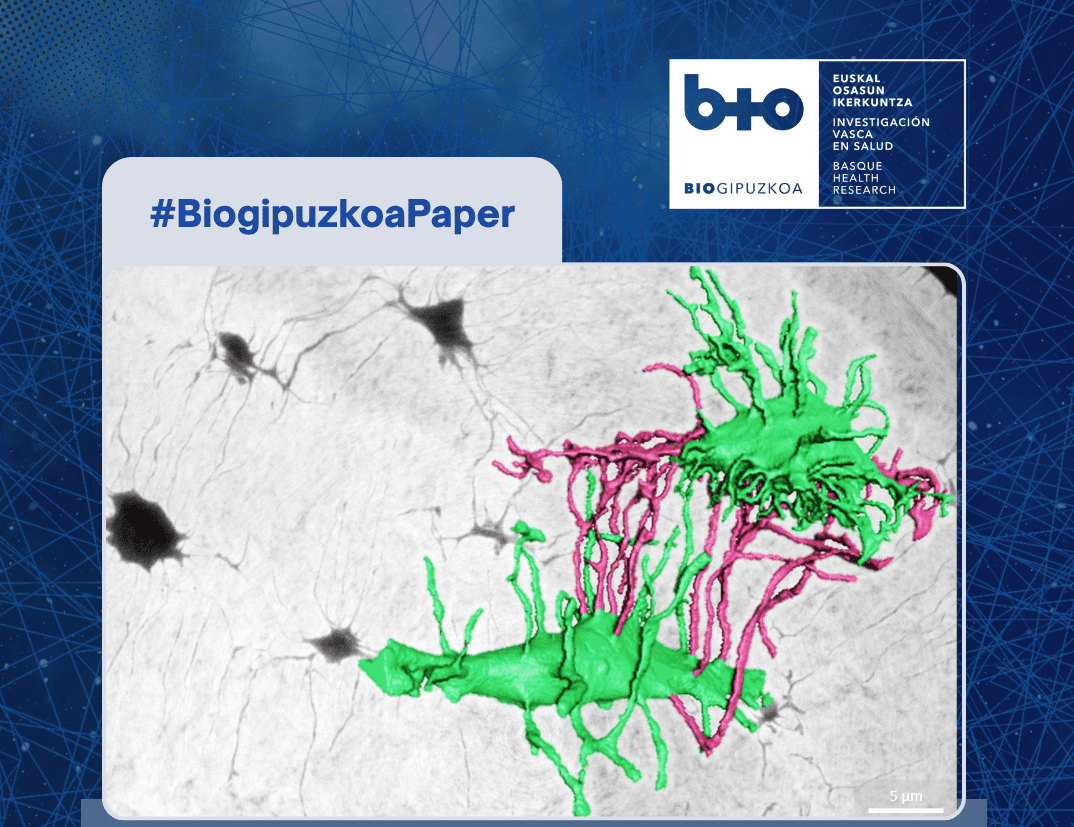
To do this, the researchers studied the 3D canalicular network architecture in regions of remodeling interfaces in human bone at extremely high resolution (50 nm voxel size) using a technique called synchrotron nano-CT imaging. This revealed that the bone cell network does connect across different remodeling regions and the degree of connection depends on local tissue conditions. In fact, the higher the canalicular density in the locally older region, the higher the degree of interconnection. Finally, two main structural patterns in direct proximity to cement lines were found: connections linking old and new bone and loop-like structures in newly formed bone, where interconnection was not possible.
In conclusion, the study shows that the bone cell network is integrated during the remodeling process. The authors suggest that rather than forming purely at random, the network develops through a combination of random growth and a guided processes influenced by the local environment. Thus, this integrated network likely improves communication, resilience, and survival of bone cells. Although this is fundamental research, it provides a deeper understanding of how healthy bone maintains its function. Therefore, this may have important clinical implications, since new insights were obtained into the role of the cellular network in tissue integration in the context of bone healing and disease. This could be helpful for improved understanding of remodeling imbalances in bone mineral disorders (such as osteoporosis), for better insight into mechanisms of bone healing; or as potential guidance for the development of bone regeneration strategies and therapies
The researchers emphasize “we are excited to publish this work, revealing previously unseen features of bone at the nano-scale. It highlights both the intricacy of the bone cell network and the value of synchrotron nano-CT as a powerful tool in its investigation.
We hope these findings will contribute to enhance our knowledge of how bone maintains its integrity and one day help inspire new approaches in bone regeneration and treatment of skeletal diseases.”