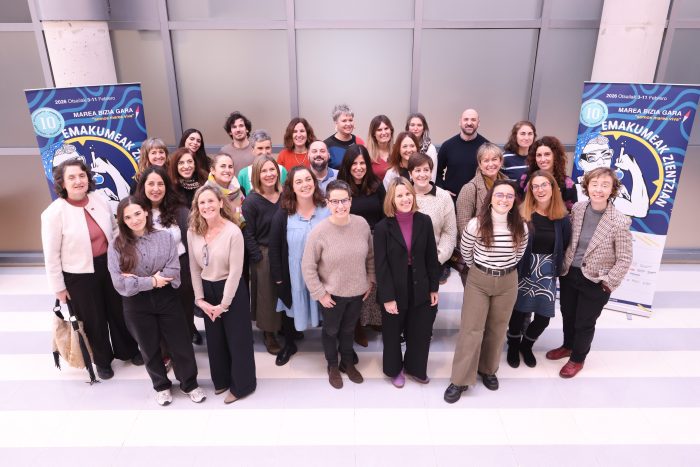
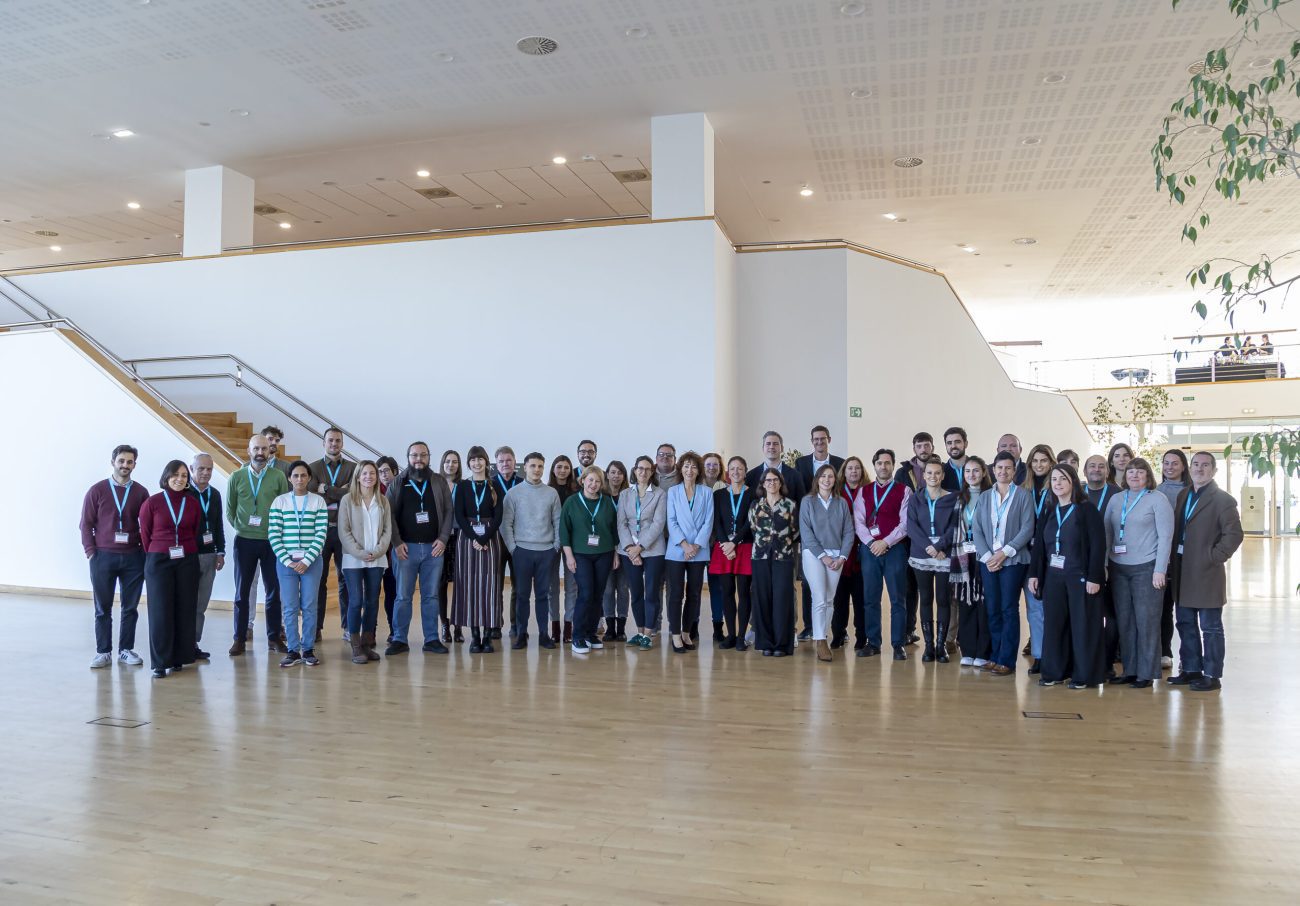
The European Horizon Europe project, CARAMEL (CArdiovascular Risk Assessment in MEnopausaL women via multimodal data analysis enabling personalized prevention strategies), has been launched with a kick-off meeting at the headquarters of the project coordinator, VICOMTECH, in San Sebastián. With 25 partners from 11 countries, CARAMEL aims to revolutionize the prevention of cardiovascular disease (CVD) in women aged 40-60 by delivering an innovative, AI-supported model for personalized risk assessment and preventive healthcare.
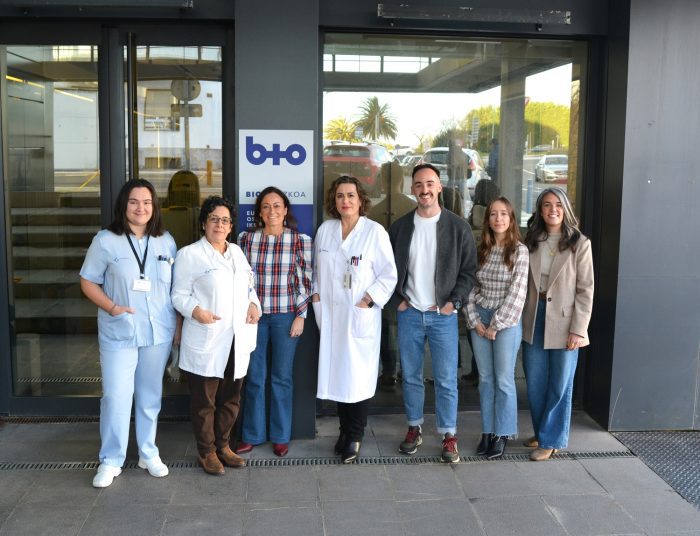
Biogipuzkoa HRI will participate in the CARAMEL project through two of its Research Support Units, members of the Primary Care research group and E-helath group. The Primary Care research unit led by Dr. Rafa Rotaeche, and the other group formed by the Innovation Support Unit and focused on the creation of predictive models based on Artificial Intelligence (AI), led by Dr. Olatz Arrizabalaga. The Primary Care research group will include the participation of Dr. Uxune Apalategi Gómez. Throughout the project, Biogipuzkoa will be responsible for coordinating a multicenter prospective observational study that will include women aged 40-60 with different risk profiles. On the other hand, some relevant data for the research will be selected from image databases of RIS/PACS systems that will be accessed from Biogipuzkoa, thus promoting the development of AI models for subsequent analysis.
Addressing an urgent public health need for women: an innovative approach
Cardiovascular disease (CVD) is the leading cause of death among women in Europe, with an especially sharp increase in risk during and after menopause. Despite these realities, CVD remains underdiagnosed and undertreated in women, as current risk models often lack consideration for sex- and gender-specific factors. CARAMEL aims to close this gap by creating tailored risk assessment models that are uniquely suited to the needs of middle-aged women.
At the core of CARAMEL’s approach is the integration of multiple data sources – clinical records, medical imaging, wearable devices, and lifestyle information – to develop AI-based models capable of assessing risk levels and tailoring prevention plans. By leveraging emerging technologies, CARAMEL will enable women to take proactive steps toward their heart health through self-assessment tools and a digital ecosystem designed for empowerment and self-management. In addition, the project will incorporate advanced diagnostic tools and new biomarkers, including non-invasive skin nanosensors and NMR spectroscopy-based lipoprotein and inflammation markers, to enable earlier and more accurate risk assessment.
CARAMEL Digital platform for self-monitoring and self-care
CARAMEL’s journey will involve several key milestones, including the development of a digital prevention platform and an App for self-monitoring and self-care. The project stands out by actively involving women in the co-creation of the CARAMEL digital tools, ensuring their experiences and preferences are at the core of its solutions. Moreover, CARAMEL addresses the specific needs of women with intellectual disabilities, providing an inclusive approach to cardiovascular prevention. The platform will undergo validation in clinical studies at multiple sites across Europe and Latin America, and it aims to provide new, evidence-based guidelines for healthcare providers and policymakers. The project will also develop clinical guidelines to help healthcare providers integrate these new personalized risk assessment models into clinical practice, thus supporting more effective CVD prevention strategies tailored to women.
This project will last for 5 years and has received funding of almost 12 million euros from the European Union’s Horizon Europe Research and Innovation Programme under Grant Agreement No 101156210