
Organs in the human body continually regenerate throughout our lifetime, some less frequently (such as the brain) and others more quickly (such as the liver). The capacity for renewal also varies according to the person and the general condition of the organism (the older the person, the lower capability for regeneration).
This regeneration takes place thanks to the adult stem cells residing in the different tissues. Stem cells are cells with the capability to divide and differentiate themselves into different types of specialised cells and to self-renew to create more stem cells. Over many different research projects, tens of stems cells have been described that live in tissues but it is possible that at least some of them have a common origin.
This research project has discovered that the key cells for regeneration and scarring on human skin really come from the sheath covering the peripheral nerve. These are cells that cover and protect the nerves but, due to a variety of circumstances (such as an injury), change their function to become stem cells and drive regeneration of the different affected tissues. This dedifferentiation associated with the regeneration process is behind what was thought of as a stem cell. In addition to the skin, this phenomenon has been studied in other organs such as the heart, indicating that it can be common to many other tissues.
In addition to this identification, this research has also described how these cells might be isolated in human beings, leading to their use in therapies associated with replacing damaged cells and tissues. Consequently, although this discovery is a just starting point for future studies, it is hoped that it will have a practical application in different research challenges such as aging, scarring or cancer.
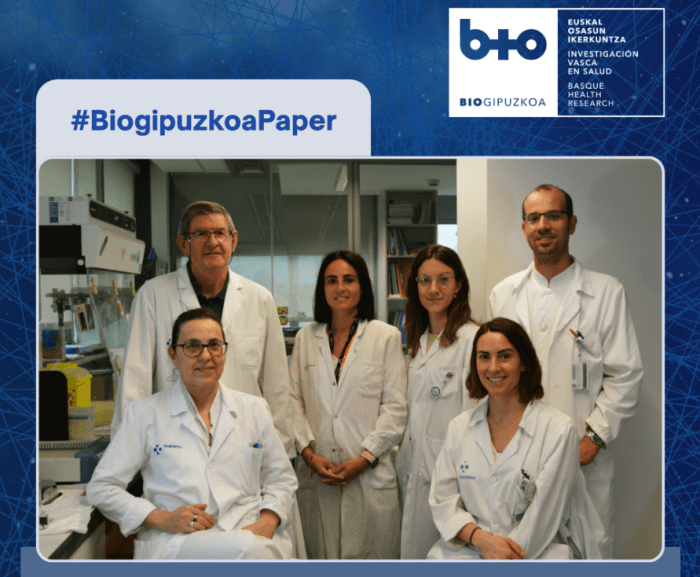
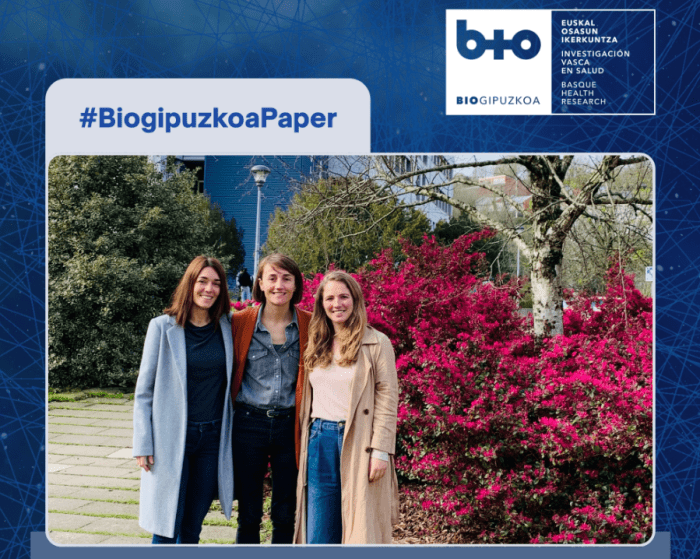
This finding is the result of research carried out since 2009 by the Biodonostia HRI Tissue Engineering Research Group (led by Doctor Ander Izeta), particularly by Usue Etxaniz and Adrián Perez-San Vicente, with competitive funding from the Ministry of the Economy and Competition, the Gipuzkoa Local Government, the Basque Government and the European Union. Scientists from the University of Washington and CABIMER have also worked on this project. The results have just been published in the online edition of the prestigious Stem Cell Reports journal (from the Cell Press group, the most important group in cellular biology).