Developing this Osakidetza research project will provide for increased knowledge on the biology of cancer and progress in designing new breast cancer treatments.
The Ikerbasque research project by IIS Biodonostia of Osakidetza, Dr María Caffarel, was awarded by the Geicam Group for Breast Cancer research in its 11th International Symposium, recently held in Zaragoza, for the progress it implies in treatments.
The group acknowledged the work Oncostatin M receptor is a novel therapeutic target in triple negative breast cancer by Dr Caffarel as one of the best Oral Presentations. In addition to Dr Caffarel’s work, another three projects presented by the Hospital Miguel Servet of Zaragoza, the Valencian Institute of Oncology and the Hospital Clínic of Barcelona were recognised.
Breast cancer is the most frequent tumour in Western women. It is calculated that 1 out of every 8-10 women will suffer from it during their life, and that 30% of them will die from this disease. Moreover, for a considerable fraction of these tumours, current treatments are not entirely effective, and in some cases relapses occur. Therefore, finding new breast cancer therapies is a highly clinically relevant need.
The work currently being carried out is mainly focused on studying a sub-type of breast cancer, called Triple Negative breast cancer. Thus, the research project presented by Dr Caffarel aims to study the role of a protein, the Oncostatina M receptor, in the progression of this cancer sub-type. It has been observed that the levels of this protein are high in this type of tumour, so it may be an important biomarker. Furthermore, its activation foments the ability to invade other tissues and the development of metastasis in lab animal models. Inhibition of the Oncostatin M receptor could be achieved by using monoclonal antibodies or small inhibitors.
Therapies based on this protein have already proven useful in pre-clinical models (animals and cells) for cervical cancer (work by Dr Maria Caffarel at the University of Cambridge) and could be applied to other kinds of tumours.
In the doctor’s own words, “triple-negative tumours are the breast cancer sub-group with the worst prognosis and do not have specific therapies, so finding new therapeutic targets for this kind of tumour is a highly clinically relevant need.”
Developing this research project will provide for increased knowledge on the biology of cancer and progress in designing new breast cancer treatments.
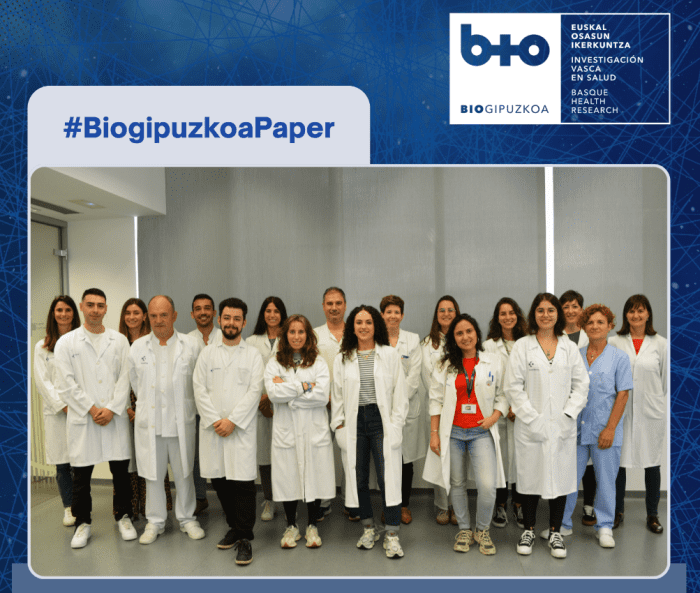
The following participated in this research: Angela Araujo, Andrea Abaurrea and Maria Muñoz Caffarel (Members of the Molecular Oncology Group, Biodonostia), Charles Lawrie (Director of the Oncology Department at Biodonostia and Head of the Molecular Oncology Group), Isabel Álvarez (Head of the Breast Cancer Group at Biodonostia and Medical Oncologist at HUD), Ricardo Rezola (Head of Pathological Anatomy Service at Onkologikoa) and Ander Urruticoechea (General Director of Onkologikoa and member of the Biodonostia Breast Cancer Group).
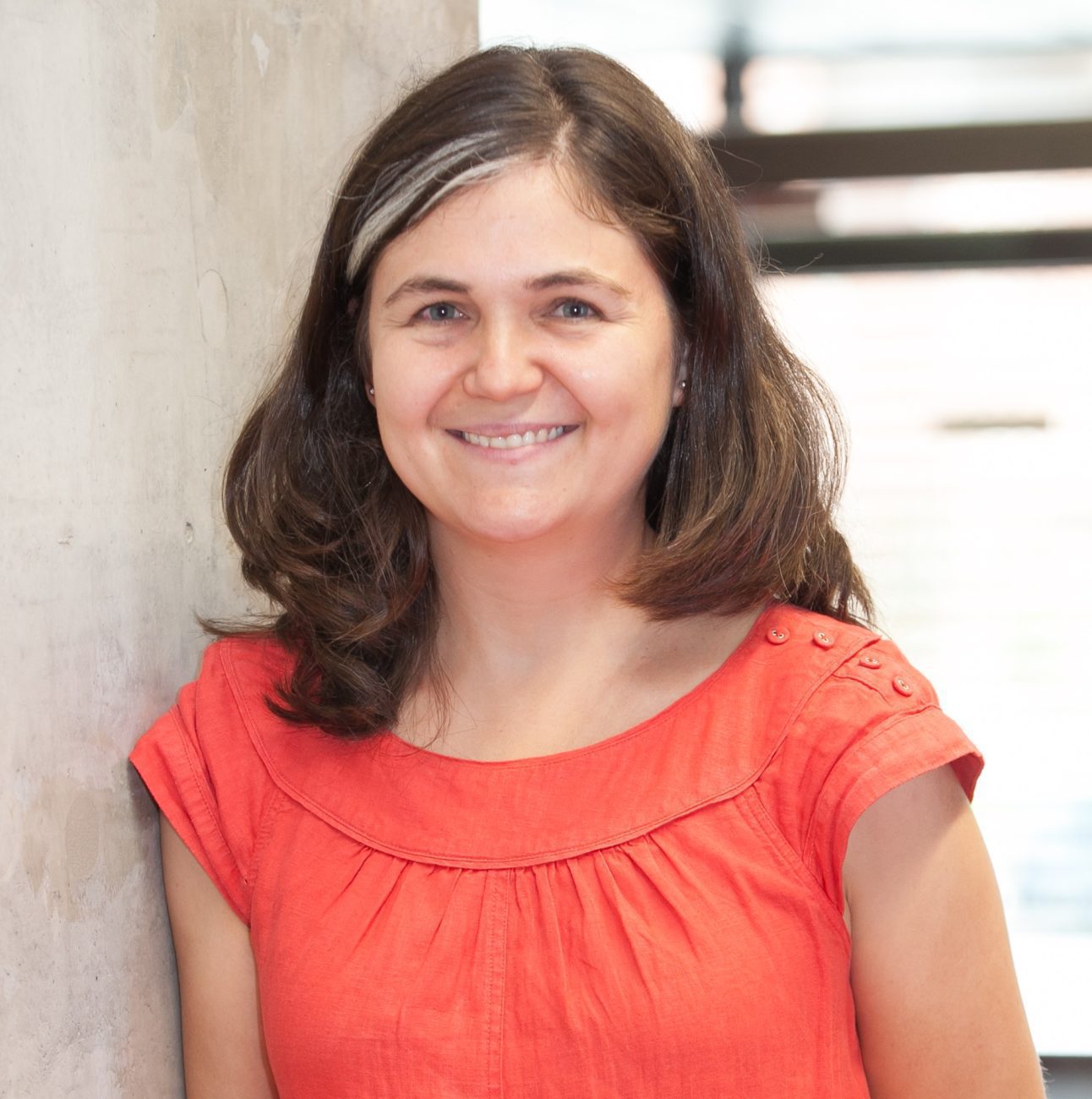
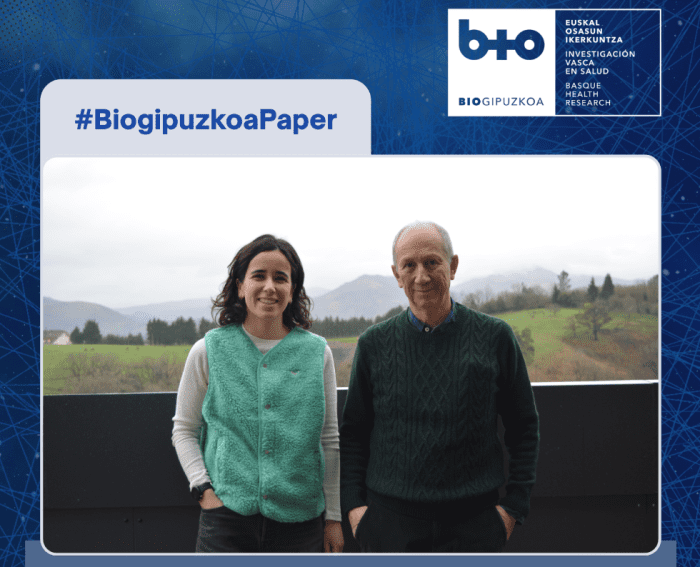
Dra. Maria Caffarel